Subtotal $0.00




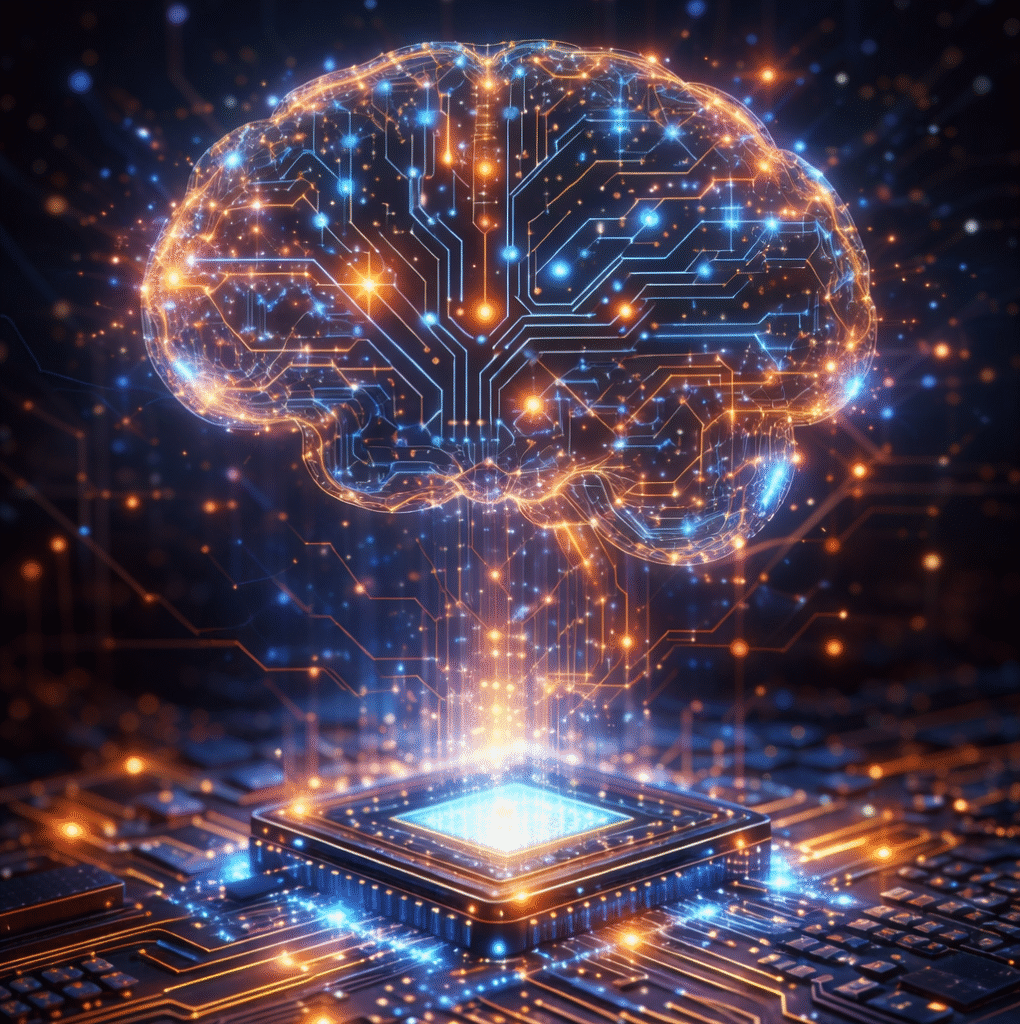
Neuromorphic computing is emerging as a promising frontier in artificial intelligence as researchers and technology companies seek radically more energy-efficient and adaptive computing models inspired by the human brain.
Unlike conventional processors that rely on clock-driven computation, neuromorphic systems are built around event-driven architectures that emulate biological neurons and synapses. This enables massively parallel processing while consuming significantly less power—an increasingly critical advantage as AI workloads grow in scale and complexity.
Recent progress in spiking neural networks, advanced materials, and specialized chip fabrication is helping neuromorphic computing transition from research laboratories toward early practical applications. These systems are particularly well-suited for tasks such as pattern recognition, sensory data processing, robotics control, and real-time decision-making at the edge.
Industries exploring neuromorphic approaches include autonomous systems, industrial automation, defense technologies, and next-generation IoT deployments—where low latency, continuous learning, and minimal energy consumption are essential.
Rather than replacing existing AI accelerators, neuromorphic computing is increasingly viewed as a complementary architecture, filling performance and efficiency gaps that traditional hardware struggles to address.
BizTech Foundation Insight:
Neuromorphic computing reflects a shift toward efficiency-first AI design. As intelligence moves closer to the edge and power constraints tighten, brain-inspired hardware could redefine how intelligent systems are built and deployed.
🔍 Key Highlights
Technology: Neuromorphic computing
Focus: Brain-inspired AI hardware, edge intelligence
Impact: Lower power consumption, real-time learning, scalable efficiency